Treating Milia-Prone Skin Through Predictable Skin Reconditioning Instead of Aggressive Extraction
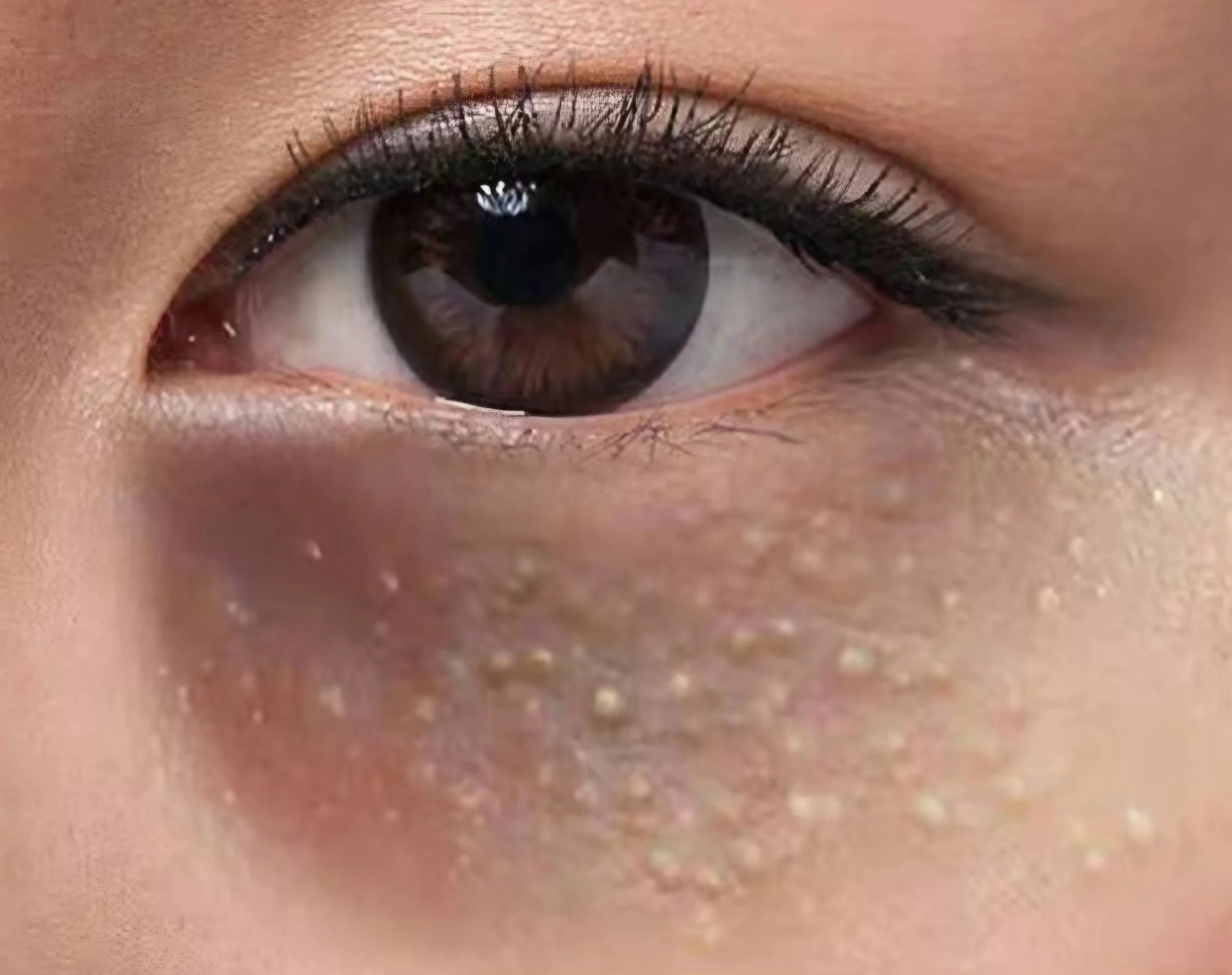


Milia-prone skin is often misunderstood as a simple extraction problem. In clinical practice, recurring milia are rarely caused by trapped debris alone. They are more commonly linked to impaired keratinocyte maturation, slowed epidermal turnover, and a barrier environment that does not shed efficiently. When these processes are disrupted, keratin becomes encapsulated beneath the surface, forming persistent microcysts that return even after technically successful extraction.
At La Dermalogique, milia is treated as a skin behaviour pattern, not a mechanical blockage. This distinction determines whether outcomes are short-lived or genuinely stable.
Why aggressive extraction often leads to recurrence
Repeated or forceful extraction can temporarily remove visible milia, but it does not correct the biological conditions that allowed them to form. In delicate areas such as the periocular region, aggressive manipulation can also compromise barrier integrity, provoke low-grade inflammation, and slow healing response. Over time, this creates an environment where milia re-form more easily, sometimes in greater numbers.
Many clients with chronic milia have also experienced inconsistent treatment sequencing elsewhere, where extraction is prioritised without addressing epidermal renewal or barrier homeostasis.
Predictable skin reconditioning as a preventive strategy
Predictable skin reconditioning focuses on normalising epidermal turnover and supporting barrier stability so that keratin does not become retained in the first place. By restoring controlled cellular renewal and reducing subclinical inflammation, the skin can clear naturally and consistently, reducing the conditions that promote milia formation.
This approach is central to the Signature Skin Treatment, which prioritises low-inflammation renewal pathways and progressive skin conditioning rather than repeated trauma. Treatment intensity and sequencing are selected after assessing healing speed, barrier resilience, and milia distribution, ensuring that reconditioning supports prevention rather than triggering sensitivity. You can explore this approach through Signature Skin Treatment and gain further insight into La Dermalogique’s clinical reasoning behind the Signature Skin Treatment methodology.
When milia appears alongside puffiness or fluid stagnation
In some clients, milia formation is visually accentuated by periocular puffiness or poor microcirculation, which reduces tissue oxygenation and slows renewal. In such cases, structural support may be introduced alongside skin reconditioning. Signature Glow Up Contouring can assist by optimising lymphatic drainage and microvascular flow without increasing pigment load or compromising delicate skin. More about this option can be found via Signature Glow Up Contouring, with additional clinical context available through La Dermalogique’s perspective on Signature Glow Up Contouring as a non-invasive supportive modality.
What improvement typically looks like
With predictable reconditioning, milia-prone skin often shows fewer new formations over time, smoother micro-texture, and faster recovery following any necessary conservative extraction. Importantly, progress is gradual. The goal is not immediate clearance at the expense of barrier health, but sustained reduction through improved skin behaviour.
This expectation-led approach reflects La Dermalogique’s commitment to process-driven skin management and honest clinical judgement. More about the clinic’s philosophy and values can be explored on the About Us page, with deeper educational discussions available in Beauty Insights.
Long-term maintenance beyond initial treatment
For clients maintaining results over time, continuity of care matters. The Brow & Beauty Boutique supports ongoing skin management and anti-aging programs that align with barrier-respecting, prevention-focused principles. This helps ensure that milia-prone skin remains stable rather than cycling through repeated extraction and recurrence.
A more sustainable approach to milia
If milia continues to return despite regular extraction, the issue may not be technique but biology. By correcting the underlying renewal environment and supporting predictable healing, milia-prone skin can become calmer, clearer, and more resilient over time.
To determine whether predictable skin reconditioning is appropriate for your skin behaviour, you can begin with a professional assessment at La Dermalogique, where treatment decisions are guided by physiology, precision, and long-term skin health.