Stabilising Reactive Skin by Correcting Subclinical Inflammation and Impaired Healing Response

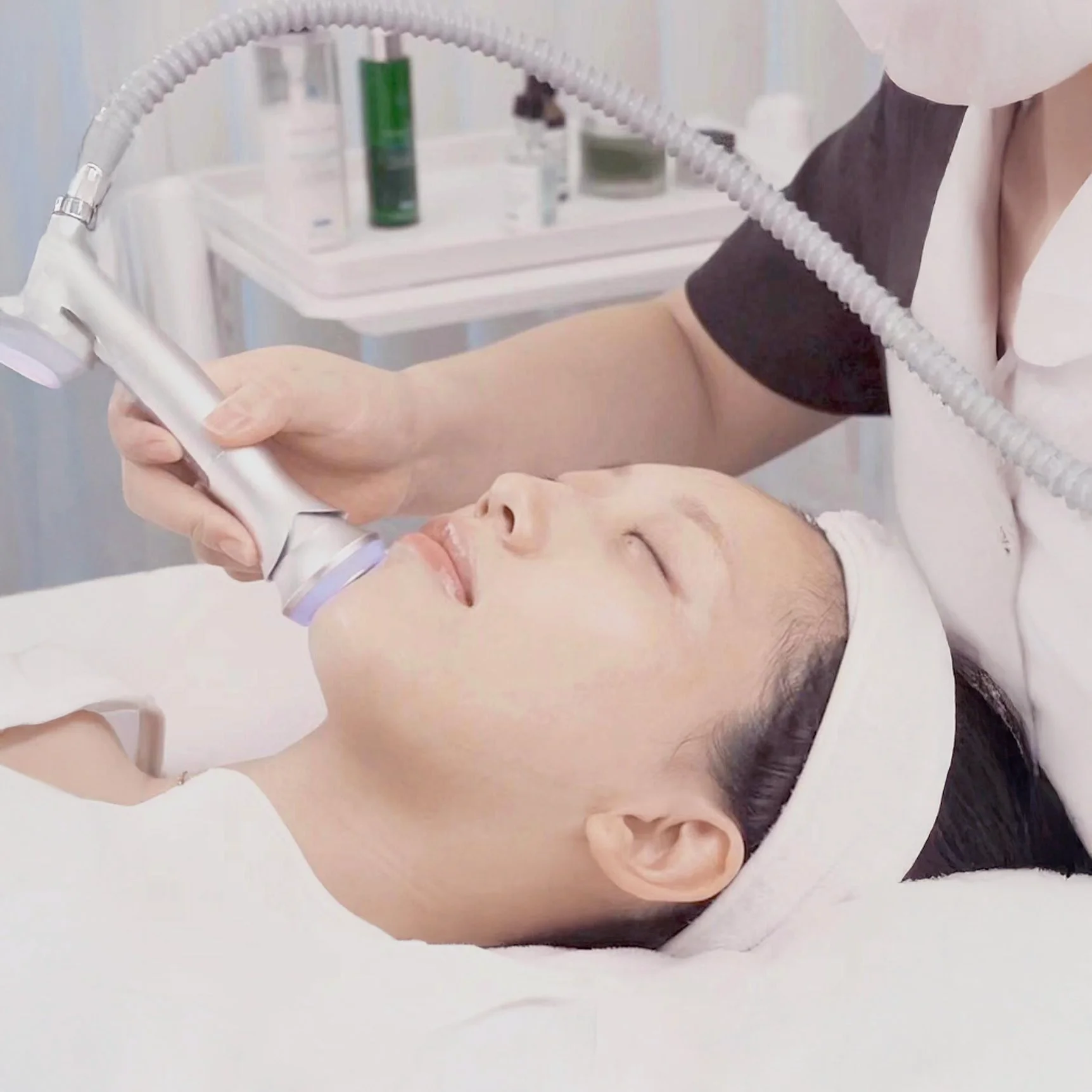


Reactive skin is often described by what it does: redness, stinging, flushing, or sudden sensitivity to products and treatments that once felt tolerable. Clinically, however, reactivity is rarely a standalone condition. It is more accurately understood as the result of subclinical inflammation combined with an impaired healing response, where the skin’s recovery mechanisms lag behind everyday stressors.
At La Dermalogique, reactive skin is approached as a stability problem, not a fragility flaw. This distinction allows treatment to focus on restoring control and predictability rather than avoiding stimulation altogether.
Why reactive skin stays reactive
When low-grade inflammation persists beneath the surface, the skin remains in a heightened alert state. Even mild stimuli can trigger exaggerated responses because barrier repair, keratinocyte maturation, and microvascular regulation are no longer synchronised. Repeated attempts to “calm” the skin without addressing this underlying dysregulation often result in short-lived relief followed by renewed sensitivity.
In many cases, reactive skin has also been over-managed in the past. Excessive exfoliation, frequent treatment changes, or aggressive calming interventions can unintentionally weaken the skin’s resilience threshold, slowing healing and reinforcing reactivity over time.
Correcting inflammation by restoring healing capacity
True stabilisation begins by improving the skin’s ability to heal predictably. When barrier homeostasis is supported and inflammatory signalling is reduced gradually, the skin can exit its defensive state. As healing response improves, redness settles more quickly, tolerance widens, and reactions become less frequent and less intense.
This principle underpins La Dermalogique’s Signature Skin Treatment, which prioritises low-inflammation renewal pathways and controlled regenerative stimulation. Treatment parameters are selected conservatively, based on healing speed and reactivity patterns, ensuring that stimulation supports recovery rather than provoking flare-ups. You can explore this approach via Signature Skin Treatment and gain further insight into the clinical reasoning behind the Signature Skin Treatment philosophy.
From avoidance to regulation
Reactive skin does not need to be permanently shielded from stimulation. Once inflammation is brought under control and healing response improves, the skin can begin to tolerate progressive conditioning. This transition from avoidance to regulation is key. Rather than limiting care indefinitely, stabilised skin becomes capable of adapting calmly to treatment, products, and environmental stress.
For some clients, facial reactivity is compounded by fluid stagnation, tension, or vascular congestion that amplifies redness and discomfort. In these cases, Signature Glow Up Contouring may be introduced as a supportive modality to enhance microcirculation, lymphatic drainage, and neuromuscular relaxation without compromising barrier integrity. More about this option can be found via Signature Glow Up Contouring, with additional clinical context available through La Dermalogique’s perspective on Signature Glow Up Contouring as a non-invasive stabilising support.
Setting realistic expectations for reactive skin
Stabilisation is progressive. Early improvements often include faster recovery from redness, reduced stinging, and improved comfort rather than dramatic visual change. As healing response strengthens, the skin becomes more resilient, less reactive, and more predictable. This pacing protects long-term integrity and prevents cycles of flare and retreat.
This evidence-led approach reflects La Dermalogique’s commitment to process-driven skin management and honest expectation setting. More about the clinic’s clinical values and treatment philosophy can be explored on the About Us page, alongside deeper educational discussions in Beauty Insights.
Integrated care beyond initial stabilisation
For clients maintaining results over time, continuity matters. The Brow & Beauty Boutique supports ongoing skin management and anti-aging programs that align with barrier-respecting, inflammation-conscious principles. This ensures that stabilised skin remains resilient rather than slipping back into reactivity.
A calmer, more predictable skin environment
If your skin reacts easily and heals slowly, the issue may not be sensitivity alone but an underlying imbalance in inflammation control and recovery capacity. By correcting these foundations, reactive skin can regain stability without being suppressed or overprotected.
To determine whether this stabilising approach is appropriate for your skin behaviour, you may begin with a professional assessment at La Dermalogique, where treatment decisions are guided by physiology, judgement, and long-term skin health.