Rehabilitating Skin That No Longer Responds to Standard Treatments Using Tissue-Led Protocols


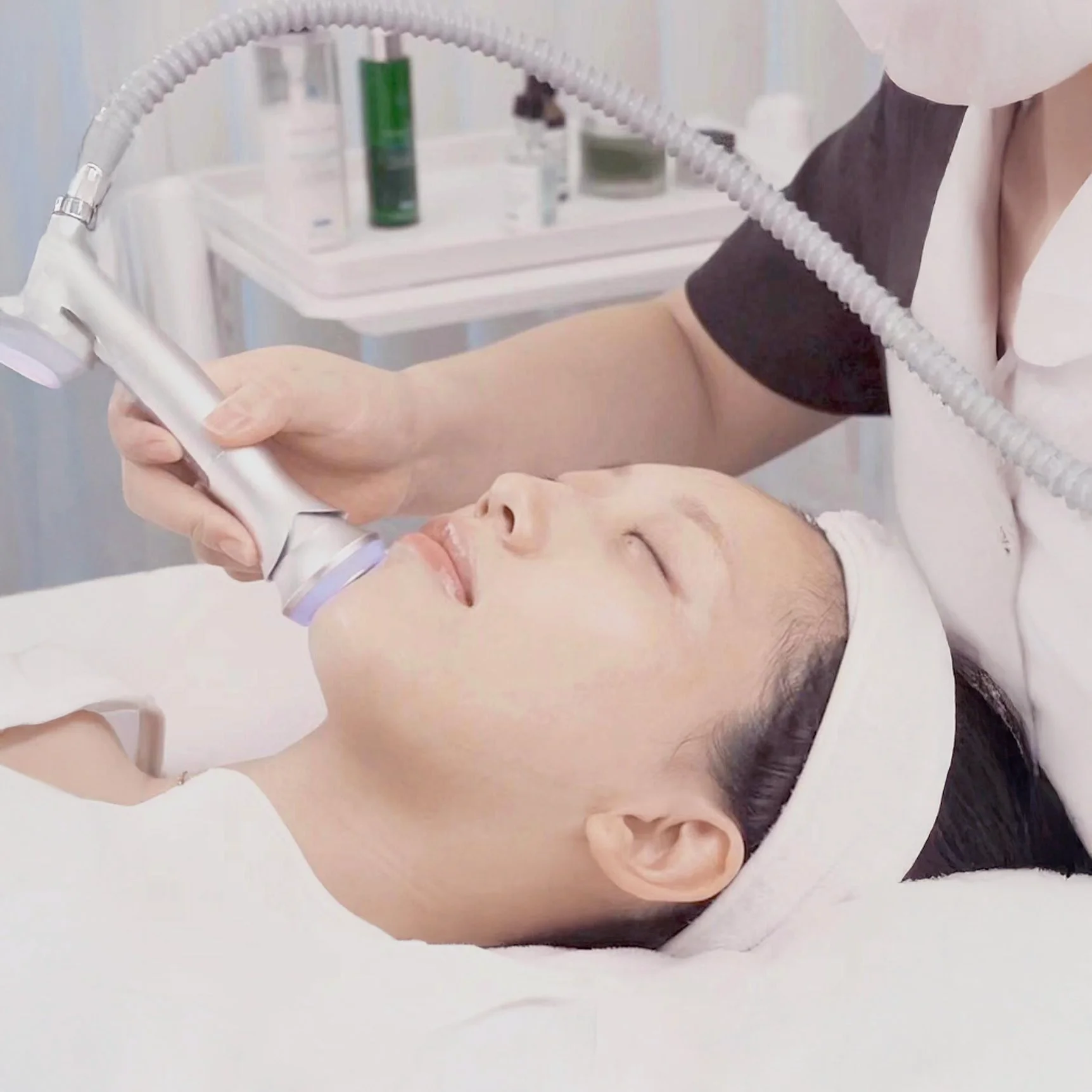
Skin that no longer responds to standard treatments is often described as “stubborn” or “resistant.” Clinically, this lack of response is rarely random. It is more accurately linked to tissue fatigue, suppressed regenerative signalling, and an imbalance between stimulation and recovery. When the skin’s biological capacity to respond has been exceeded, additional treatments may produce diminishing returns or no visible change at all.
At La Dermalogique, non-responsive skin is approached as a tissue condition, not a treatment failure. This reframing is essential for restoring progress safely and predictably.
Why skin plateaus despite consistent care
Repeated exposure to similar treatment modalities can desensitise regenerative pathways over time. Even when treatments are technically sound, the skin may stop responding if barrier integrity, dermal–epidermal communication, or healing capacity has been compromised. In these cases, increasing intensity often worsens fatigue rather than correcting it.
Many clients experiencing treatment plateaus also show signs of subclinical inflammation or delayed recovery. These factors reduce the skin’s ability to translate stimulation into visible improvement, creating the impression that “nothing works anymore.”
Tissue-led protocols: restoring responsiveness from within
Tissue-led rehabilitation focuses on reconditioning the skin’s response environment before reintroducing progressive stimulation. By supporting barrier homeostasis, improving dermal matrix integrity, and recalibrating cellular turnover signals, the skin can gradually regain its capacity to respond.
This strategy underpins the Signature Skin Treatment, which prioritises low-inflammation renewal pathways and controlled regenerative support rather than repeated surface correction. Treatment parameters are selected only after evaluating tissue resilience, healing speed, and past treatment history, ensuring that rehabilitation supports recovery rather than compounding fatigue. You can explore this approach via Signature Skin Treatment and review La Dermalogique’s extended clinical perspective on the Signature Skin Treatment methodology.
Re-engaging dormant regenerative signals
As tissue responsiveness improves, subtle changes often appear first. Skin may feel more receptive, recover more quickly, and show improved uniformity before dramatic visual shifts occur. These early signals indicate that regenerative communication has been restored, allowing subsequent conditioning to produce more consistent outcomes.
For clients whose non-responsiveness is accompanied by facial congestion, fluid stagnation, or structural fatigue, supportive modalities may be introduced to enhance circulation and tissue oxygenation. In such cases, Signature Glow Up Contouring can complement skin rehabilitation by improving lymphatic drainage and soft tissue responsiveness without placing additional demand on the epidermal barrier. More about this option can be found through Signature Glow Up Contouring, alongside La Dermalogique’s clinical overview of Signature Glow Up Contouring as a non-invasive structural support.
Resetting expectations for long-term improvement
Rehabilitating non-responsive skin requires patience and sequencing. Immediate transformation is neither realistic nor desirable. Instead, progress is measured by restored predictability, improved recovery, and gradual visual refinement. This pacing protects tissue integrity and reduces the risk of further desensitisation.
This evidence-led approach reflects La Dermalogique’s commitment to process-driven skin management and responsible clinical judgement. More about the clinic’s philosophy and treatment principles can be found on the About Us page, with deeper educational resources available through Beauty Insights.
Supporting continuity beyond rehabilitation
For clients maintaining results once responsiveness has been restored, continuity of care matters. The Brow & Beauty Boutique supports ongoing skin management and anti-aging programs that align with tissue-respecting, recovery-first principles. This ensures that rehabilitated skin remains responsive rather than returning to a plateau state.
A structured path forward for non-responsive skin
If your skin no longer reacts to treatments that once worked, the issue may not be suitability but saturation. By shifting focus from intensity to tissue health, responsiveness can often be restored safely and sustainably.
To determine whether tissue-led rehabilitation is appropriate for your skin behaviour, you may begin with a professional assessment at La Dermalogique, where treatment decisions are guided by physiology, precision, and long-term skin resilience.